Posts

Tuesday, March 31, 2015

Whale communication

Whale communication is known to be diverse and eleaborate and at the Smithsonian they have found: diet, hearing and bones (inner ear and jaw) all lead to whales communicating as they do.

Check out this intersting video from BBC today:

http://www.bbc.co.uk/news/magazine-32123131

Sunday, March 29, 2015

Drosophila boogie

It is high time to update a bit on the lab work I've been doing with fruit flies.  First and formost fly work is fairly time demanding because they are constantly growing, reproducing and thus need a lot of care.  To start things out let me introduce their larvae in the form a a video.  Here they are on agar/fruit juice plates eatting and as you might suppose - growing!

(*Note I am in the process of changing the larvae video-> please check back!)
I've decided they are rather cute and thus I'll include the David Bowie music video that I think fits their movements well!

Friday, March 20, 2015

I love the Sonoran Desert - oh and Sonoran Desert rodent diet paper accepted for publication


Still more research news but not about bats (granted I am making preparations to go to the field soon)....

I am excited to report that my paper on Sonoran Desert rodent diets is accepted for publication and will be published by the journal Oecologia. 


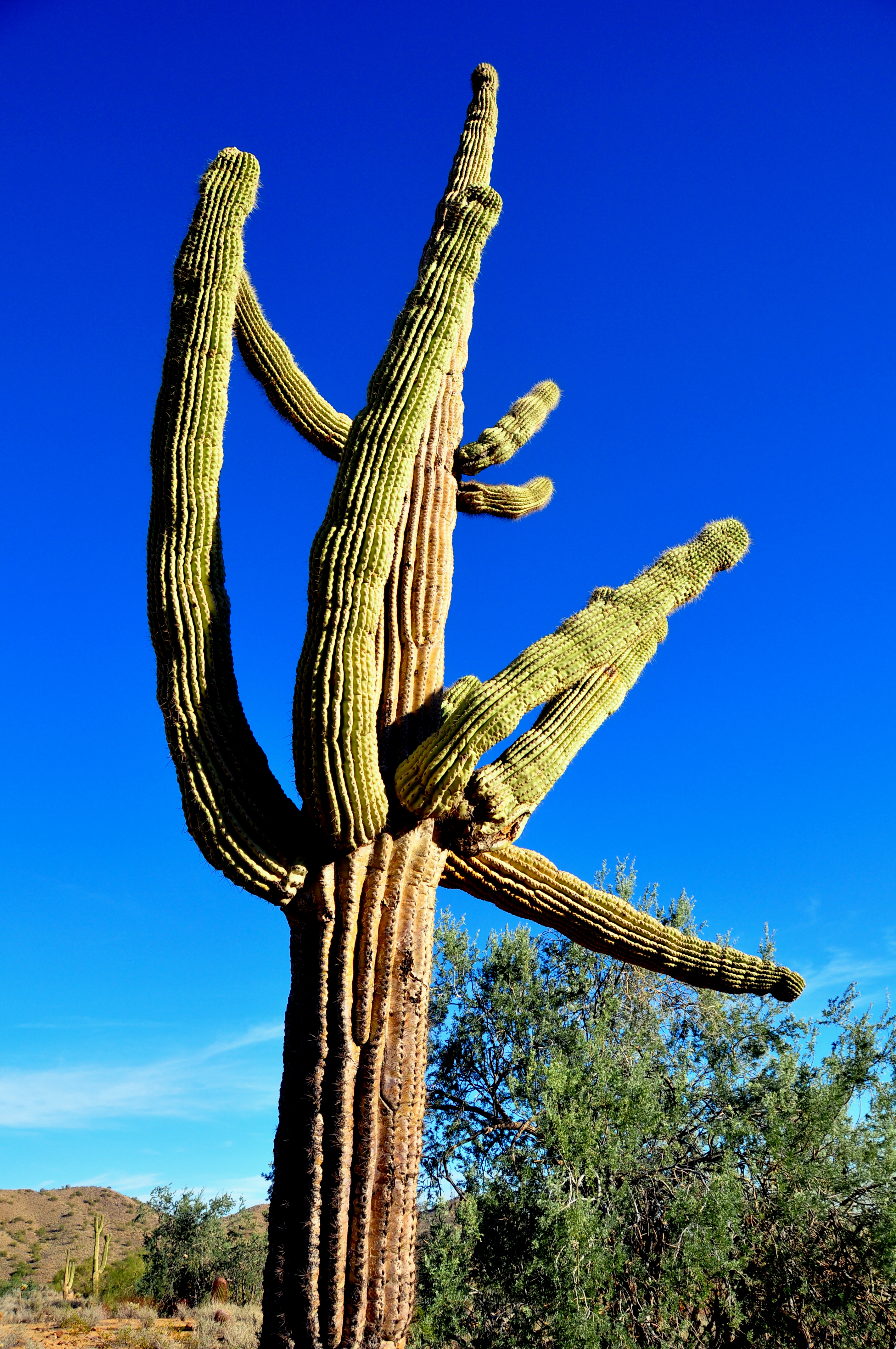
This paper reports my findings using stable isotopes of Carbon to track the use of cacti and other plants such as grasses (C3 plants) by several different species of rodents.  Research was done at the amazingly beautiful Organ Pipe Cactus National Monument that boasts beautiful cacti and many migrant bird species.

It is exciting to know this work will be published and we even suggested a really cool photo for the cover showing woodrat (Neotoma) tunnels chewed into a saguaro cactus.  Fingers crossed!

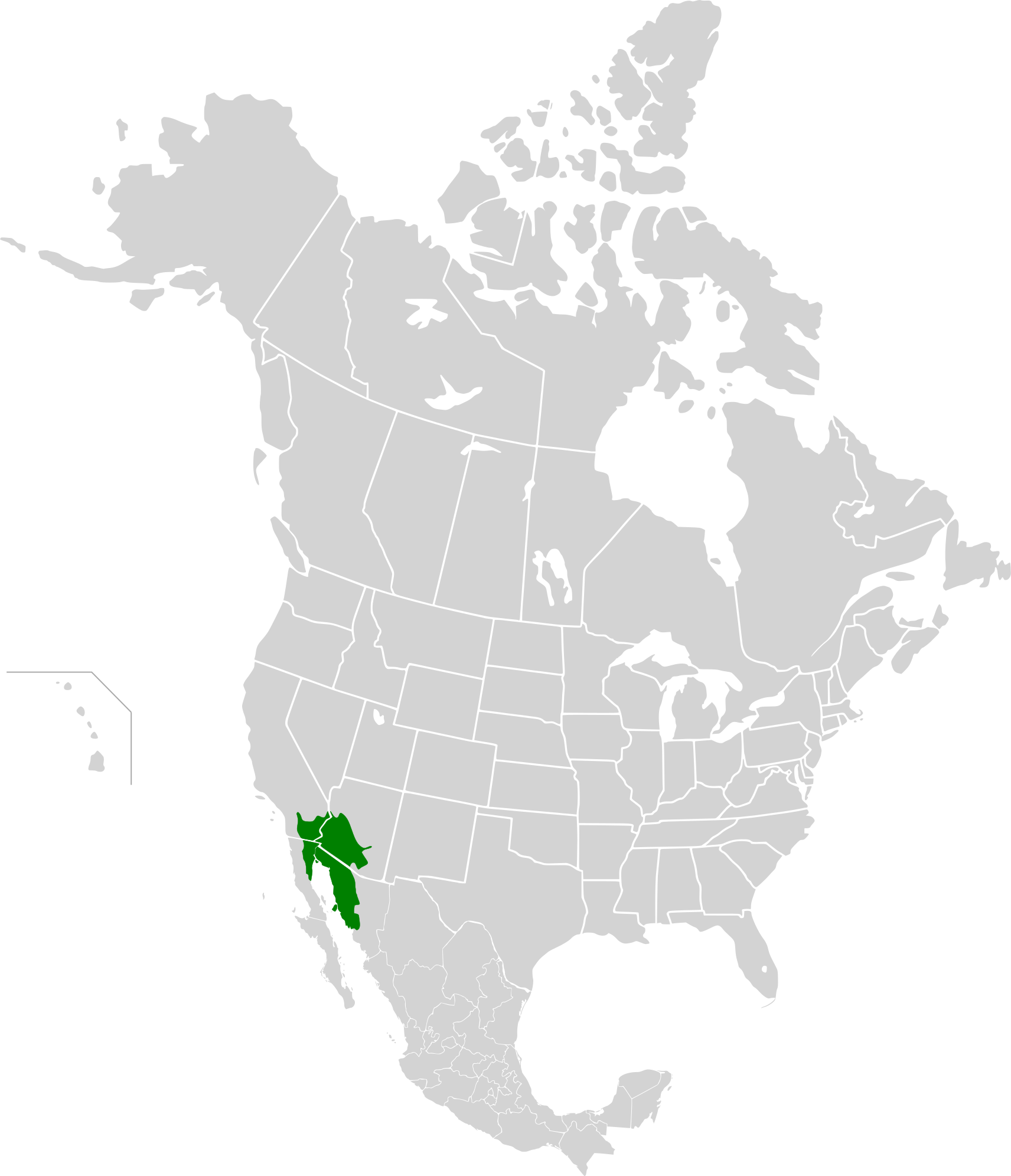
You can see the location of the ecosystem classified as Sonoran below.


Saturday, March 14, 2015

Freshman Research Initiative at UT Austin

Description (from UT): The Freshman Research Initiative offers first year students the opportunity to initiate and engage in authentic research experiences in chemistry, biochemistry, nanotechnology, molecular biology, physics, astronomy and computer sciences while being supported and mentored by faculty and graduate students.

The FRI creates new scientists like no program before it and at a scale that has never been attempted. It provides an authentic research experience and all its benefits to a large number of students early in their careers. It completely transforms students' lives by empowering them to conduct and contribute to modern science—design experiments, perform data analyses and publish peer-reviewed papers—as freshmen. They start becoming innovators their first year.

Friday, March 6, 2015

Climb UP - How to Raise a Girl Scientist | Meg Lowman | TEDxLivermore

Ted talk on women in science titled Climb UP - How to Raise a Girl Scientist.

By Meg Lowman | TEDxLivermore


Science... it's a girl thing

I haven't decided how I feel about this ad that cause a big stir.  You tell me!

Here is one reply
And another: